Why a Mild Idaho Winter Might Be Your Home’s Biggest Mold Risk
In the Treasure Valley, we’ve all experienced those brutal Idaho winters where the thermometer drops below zero and stays there. In those conditions, the risks are obvious: pipes burst, the basement floods, and you’re calling for emergency repairs immediately.
But this year, we’ve had a relatively mild winter. While that’s been a relief for our heating bills, it actually creates a "stealth" risk for homeowners. Paradoxically, a mild winter can be more dangerous for your home’s health than a deep freeze. Here’s why a fluctuating thermostat is often the catalyst for mold and moisture issues.
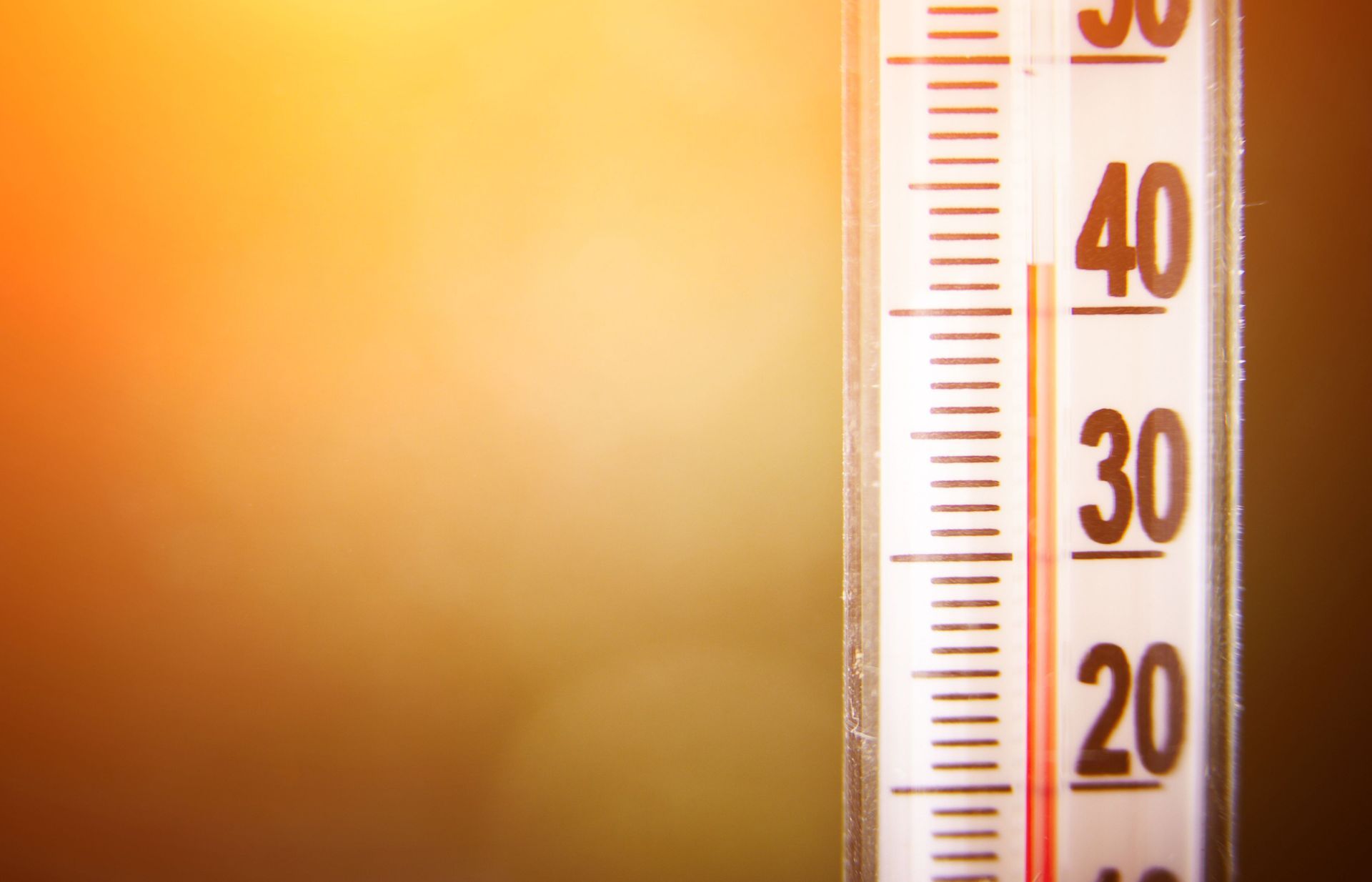
The Stress of the "Freeze-Thaw" Cycle
When the temperature stays consistently below freezing, your plumbing and foundation remain in a stable, frozen state. The real trouble starts when the temperature dances above and below the 32°F mark.
These fluctuations cause materials to expand and contract repeatedly. This "accordion effect" can create hairline fractures in copper pipes or loosen PVC joints in your crawl space. Unlike a massive burst, these tiny fractures create slow leaks - the kind that don't cause a flood, but instead create a persistent, misty spray or a slow drip that goes unnoticed for weeks.
Mold Doesn't Wait for the Spring Thaw
There is a common misconception that mold is "dormant" during the winter and only becomes a problem in the humid spring. Unfortunately, that’s not the case.
Mold only needs three things to thrive:
- Organic material (like the wood joists in your crawl space)
- Oxygen
- Moisture
As soon as that "invisible" slow leak starts, the clock begins ticking. Mold can begin to colonize in as little as 48 hours. Even if it’s 20°F outside, your crawl space is often warmed by the heat escaping from your home, creating a perfect, insulated incubator for mold to grow while you’re tucked away warmly upstairs.
The Importance of the "Mid-Winter Crawl"
Because these leaks are small and silent, you won’t see a puddle in your kitchen or a stain on your ceiling. The damage is happening beneath your feet.
We recommend that Idaho homeowners perform a mid-winter crawl space check, even if everything seems fine. Here’s what to look for:
- A lingering "musty" smell:
If you notice a faint earthy odor when you open a closet or cabinet, it’s often coming from the crawl space.
- Condensation on pipes: Seeing "sweat" on your plumbing can indicate high humidity levels.
- Efflorescence: A white, powdery substance on foundation walls that signals water is pushing through the concrete.
Don’t Let a Slow Leak Become a Big Problem
By the time the spring thaw arrives, a tiny hairline fracture could have turned into a full-scale remediation project involving mold removal and structural drying.
At Johnny on the Spot Environmental, we’re experts at finding what lies beneath the surface. Our team can perform a professional moisture assessment to ensure your crawl space is dry, your air is clean, and your home’s value is protected.